

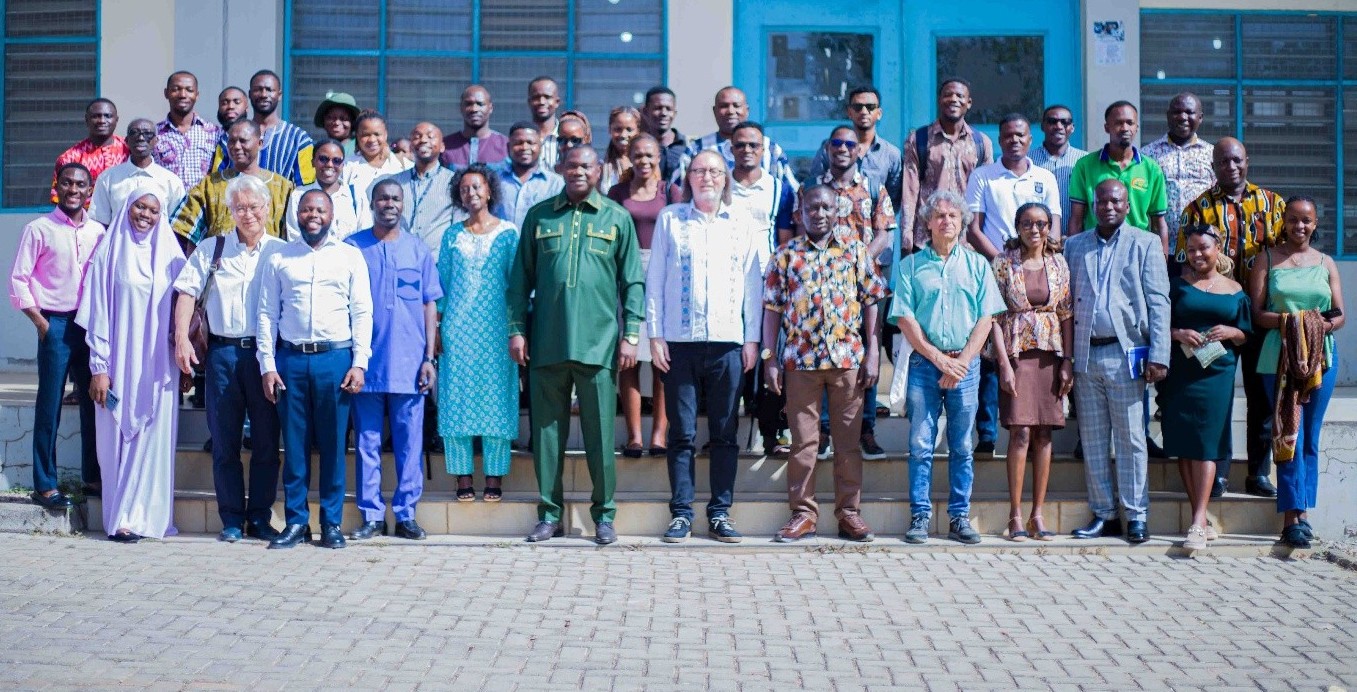
Forty participants from six universities across Rwanda, Spain, Austria and Ghana converged in Wa from 23 to 25 February 2026 for a landmark three-day field school under the Erasmus+-funded CONMAT project.
The University of Business and Integrated Development Studies (UBIDS) successfully hosted a three-day International Field School on Conflict Management and Transformation Studies in Africa from 23 to 25 February 2026. The event was organised under the Erasmus+ Capacity Building in Higher Education Project, formally titled “Strengthening Conflict Management and Transformation Studies in Africa (CONMAT)”.
The Field School brought together forty participants drawn from the University of Rwanda, the Protestant University of Rwanda, the University of Las Palmas de Gran Canaria (Spain), the University of Applied Sciences, Vienna (Austria), the University of Ghana, Legon, and UBIDS itself. The event reinforces UBIDS’ expanding internationalisation agenda and its commitment to promoting peacebuilding research and education across Africa and beyond.
The opening session was graced by the Pro Vice-Chancellor, Professor Issaka Osumanu Kanton; the Registrar, Dr. Job Asante; Professor Naasengnibe Kuunibe, Dean of Social Science and Arts; Professor Millicent Awialie Akaateba, Director of International Collaborations; Dr. Fidelis Z. Tang, Director of University Relations; and other faculty members.
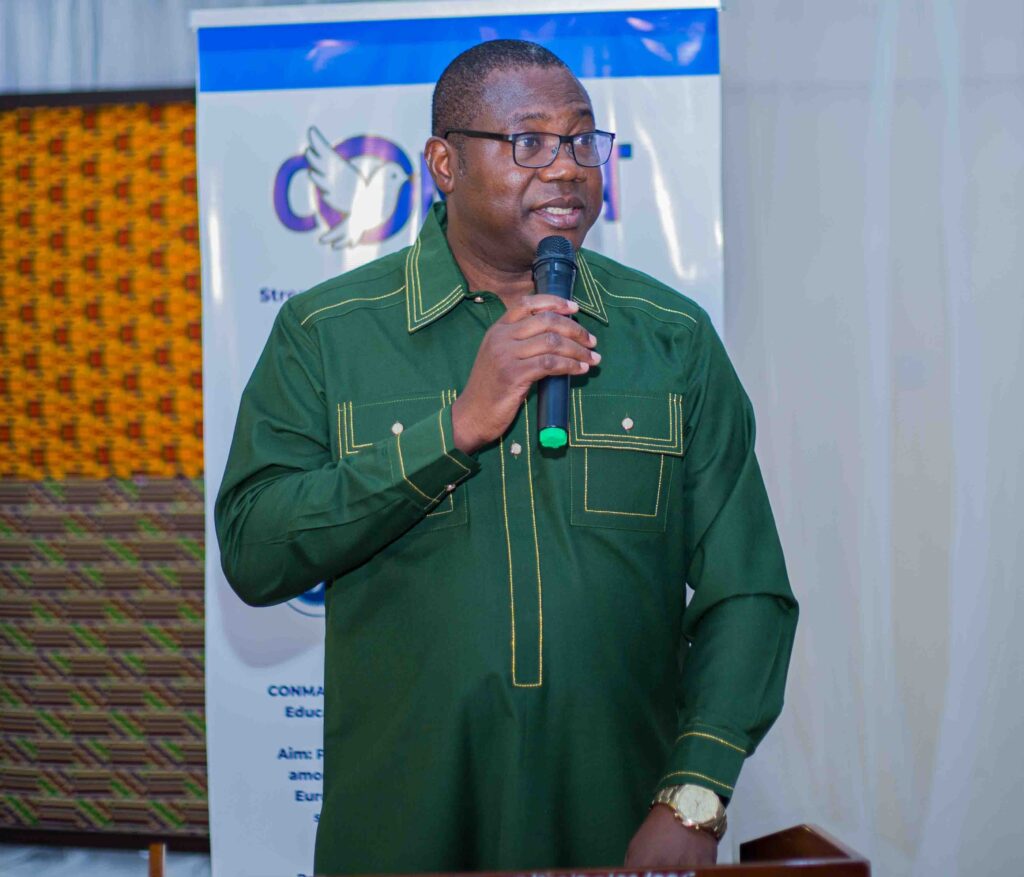
The Vice-Chancellor of UBIDS, Professor Emmanuel Kanchebe Derbile, delivered a keynote address in which he underscored the University’s dedication to transformative education, impactful research, and strategic global partnerships that contribute to sustainable development.
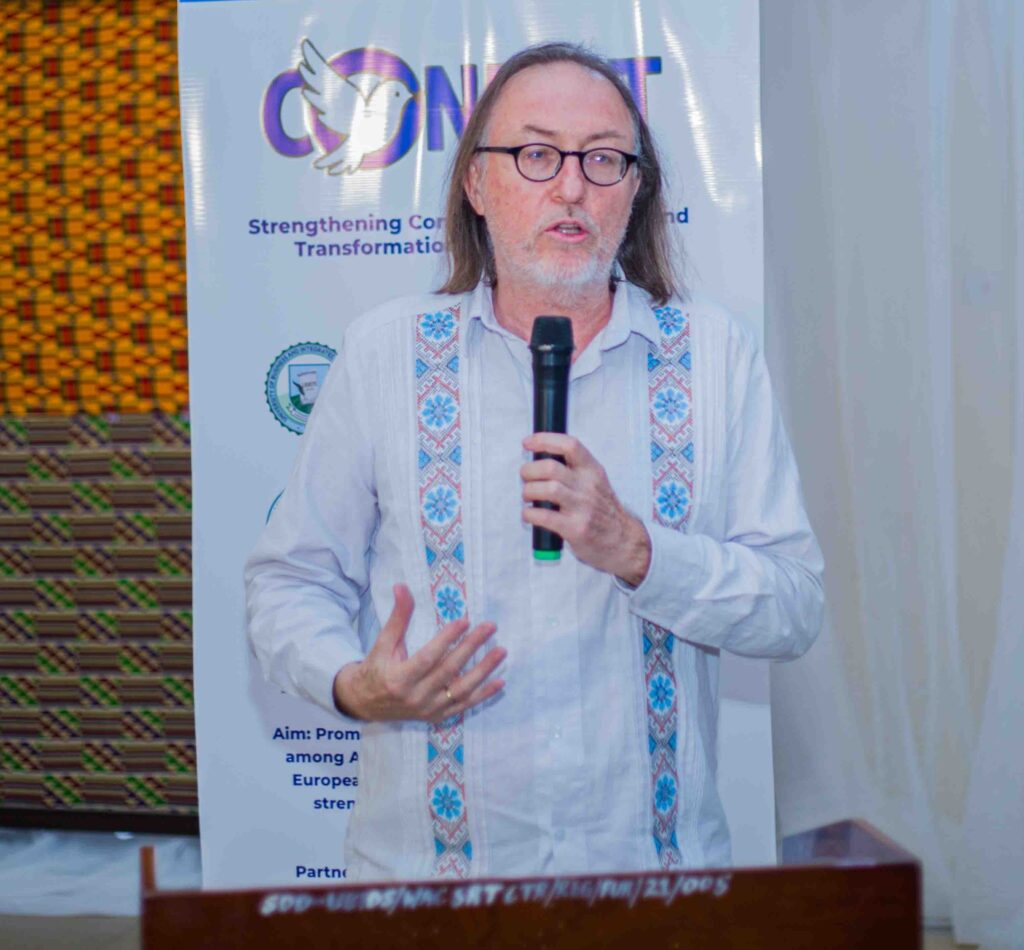 Professor Dr. Johannes Maerk, Project Consortium Lead from the University of Applied Sciences, Vienna, also addressed participants, providing context on the CONMAT project’s vision and the significance of this field school within its broader objectives.
The Field School was structured to provide intensive theoretical and practical engagement for both Higher Education Institution (HEI) staff through a dedicated Train-the-Trainer track and students enrolled in the Collaborative Online International Learning (COIL) courses. Sessions were delivered by distinguished professors from the partner institutions, fostering north-south collaboration, knowledge co-creation, and innovative approaches to conflict management and transformation.
Topics covered across the two days of classroom instruction included: Methodology of Teaching Conflict Studies; Conflict and Peacebuilding Research Methods; Online Teaching in Conflict Studies; Case Study Management in Conflict Studies; Conflict Analysis and Transformation; Conflict Resolution and Peacebuilding Methodologies; Urban Violence and Urban Peacebuilding; and Peace Processes and Everyday Political Negotiation.
On the final day, participants undertook a series of field engagements within the Upper West Region as part of the programme’s experiential learning component. The group held a seminar with the Upper West Regional Peace Council and a substantive meeting with the Regional House of Chiefs. These interactions provided practical insights into the alternative, institutional, and traditional mechanisms for peacebuilding and conflict resolution operating outside of Ghana’s formal court system.
An optional visit to the historic Wa Naa’s Palace offered participants a deeper appreciation of customary governance structures and their integral role in community-level peacebuilding. A networking and socialisation session at a local restaurant brought the field school to a warm close.
The Field School exemplifies UBIDS’ strategic commitment to international academic cooperation, capacity building, and the integration of theory with practice. It strengthens the University’s growing reputation as a hub for development-oriented scholarship and reinforces its vision to become a world-class institution driving sustainable development through innovative teaching, research, and community engagement.