

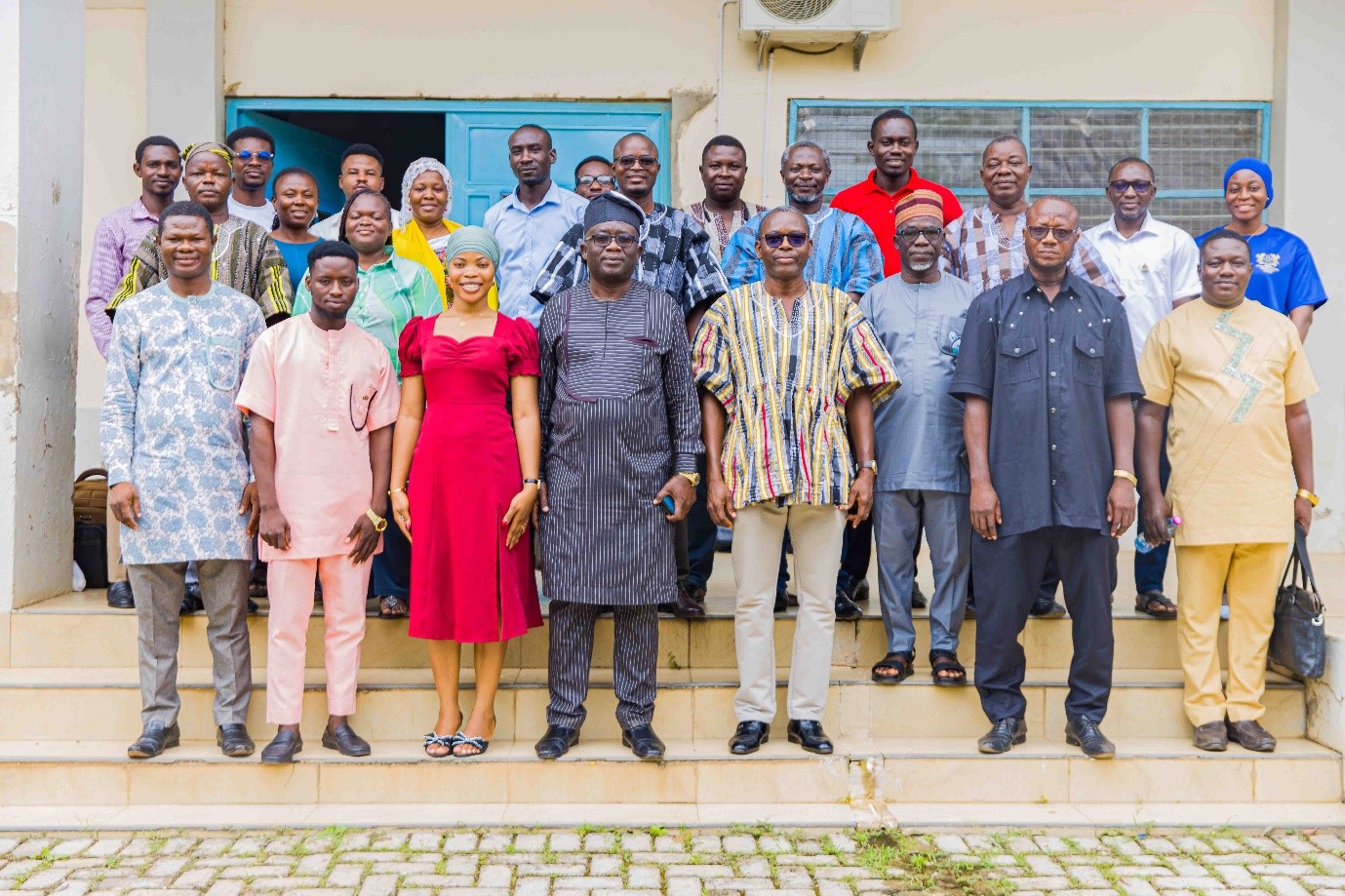
Professor Elias N. K. Sowley, a former Vice-Chancellor of Dr Hilla Limann Technical University, has called on members of the Faculty of Integrated Development Studies (FIDS) of the University of Business and Integrated Development Studies (UBIDS) to strengthen academic mentorship and leadership development to enhance the academic activities of the Faculty
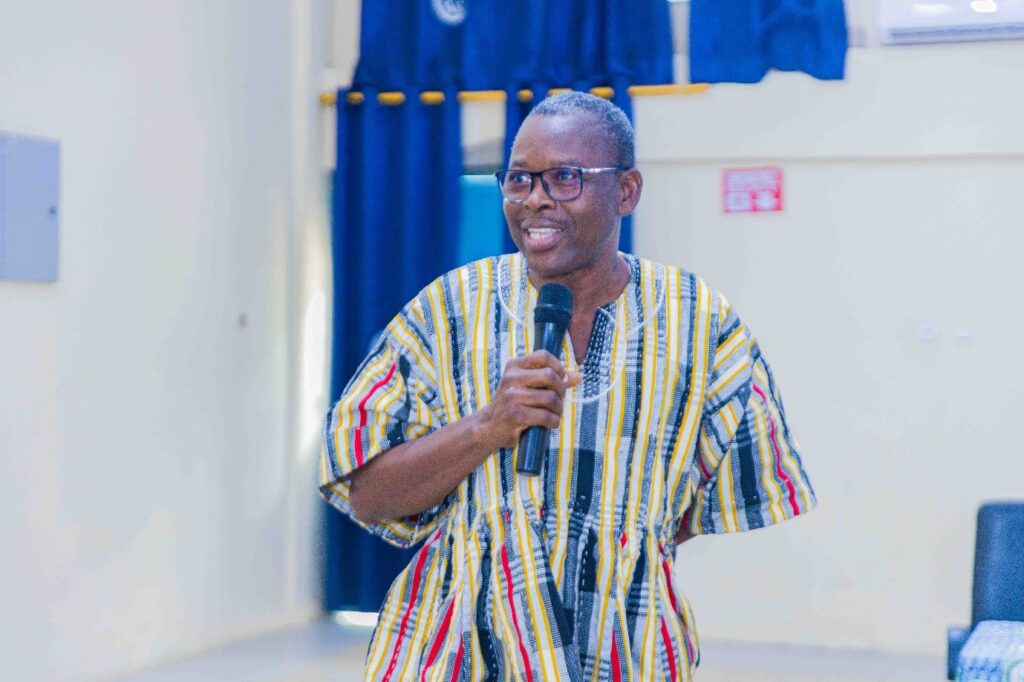
Prof. Sowley, who said this when he delivered a lecture at a one-day seminar organized by FIDS to strengthen academic mentorship and leadership among members of the Faculty, noted that mentorship is essential to academics’ professional growth and the development of future institutional leaders. As he put it: “Without mentorship and good leadership, it is difficult to navigate the jungle of academia”.
The seminar held at the at the main campus of the University of Business and Integrated Development Studies (FIDS) brought together heads of Departments, lecturers and students from FIDs as well as other staff from the UBIDS community.
Prof. Sowley defined academic mentorship as a developmental relationship through which an experienced person supports the academic, professional and personal growth of a less experienced colleague. He explained that academic leadership is the ability to influence, inspire and guide others towards excellence in teaching, research and administration.
The former vice-chancellor noted that effective mentorship is essential in improving teaching, research, supervision and professional collaboration while preparing academics for future leadership responsibilities and preserving institutional knowledge.
According to Prof. Sowle, academic mentoring of both students and lecturers should continue throughout one’s academic’s career to provide guidance, knowledge sharing, professional support and networking opportunities. He urged mentors to equip mentees with the confidence, knowledge and skills required to become independent professionals.
Opening the seminar, the Dean of the Faculty of Integrated Development Studies, Professor Africanus L. Diedong, underscored the importance of collaboration between the Faculty and its stakeholders in advancing the development of both the Faculty and the University. He encouraged them to participate actively and apply the knowledge gained to their academic and professional responsibilities.