

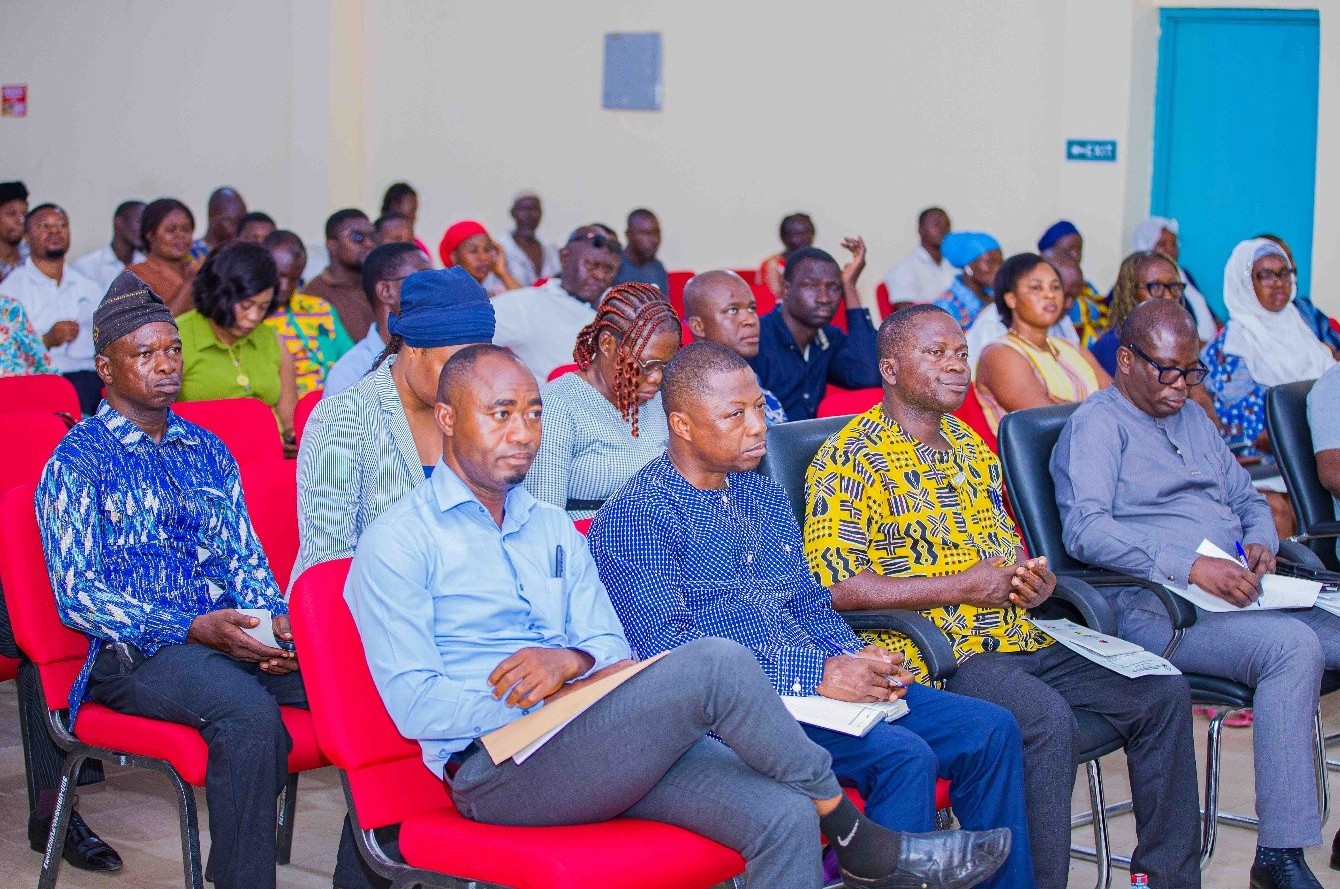
The Directorate of Human Resource Management of the University of Business and Integrated Development Studies (UBIDS) organised an educational session for staff on retirement planning, pension benefits, and life after retirement on Wednesday, 20th May 2026, at Lecture Hall 3C.
The programme formed part of efforts to strengthen staff understanding of Ghana’s pension system and the importance of long-term financial security and retirement preparedness.
Chairing the session, the Registrar of UBIDS, Dr. Job Asante, encouraged staff members to take the discussions seriously as they plan towards retirement and future financial stability. He noted that retirement planning remained an important aspect of every worker’s career and urged participants to take advantage of the opportunity to better understand the SSNIT Scheme and its benefits.
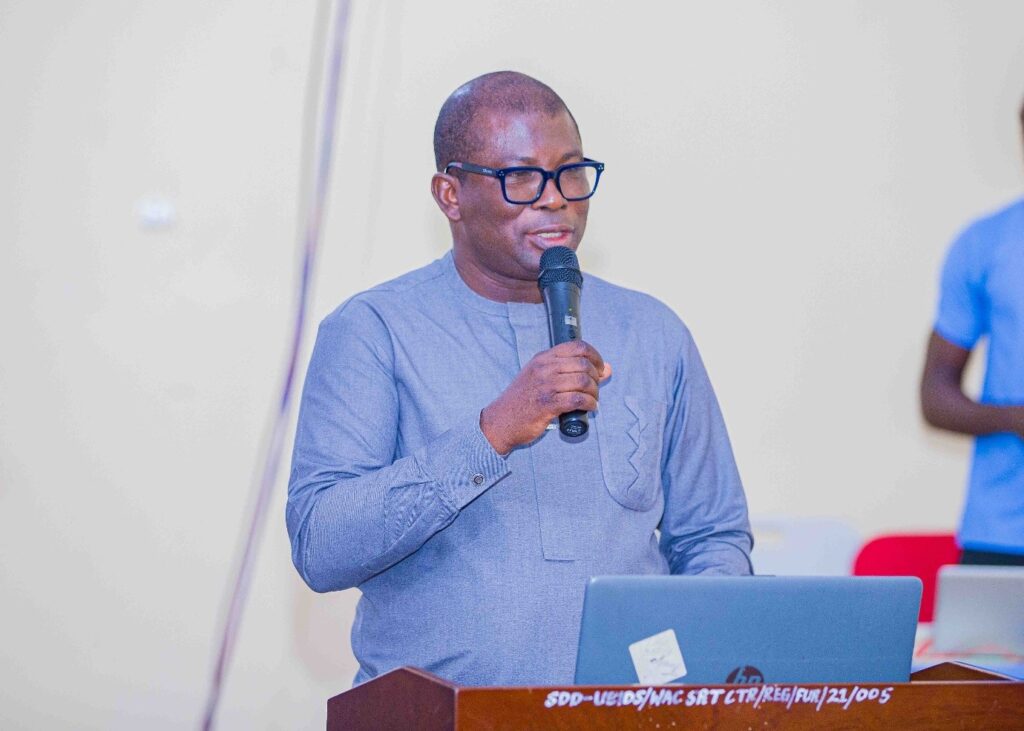
The presentations were led by Mr. Paul T. Amoako, Data Officer at SSNIT, together with officials from the Trust. Delivering the main presentation, Mr. Amoako observed that many workers fail to take retirement planning seriously, while others rely solely on union leaders to fight on their behalf regarding pension-related matters. He therefore encouraged contributors to personally monitor their pension contributions and remain informed about their SSNIT records and benefits.
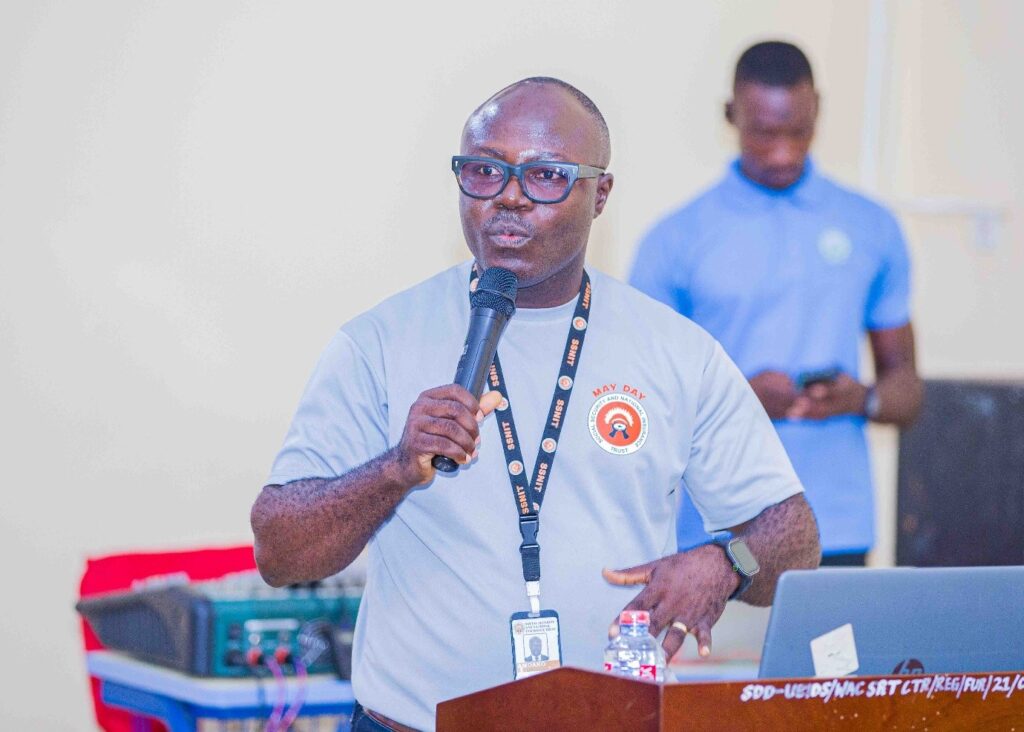 He described SSNIT as an income replacement scheme that provides financial protection when contributors are no longer able to earn income due to old age, invalidity, or death.
According to him, pension schemes require long-term contributions to generate meaningful returns. He added that individuals between the ages of fifteen and forty-five are eligible to join the SSNIT Scheme because contributors require sufficient years of contribution to qualify for pension benefits.
Mr. Amoako further outlined the core functions of SSNIT, including the registration of employers and workers, collection of contributions, management of contributors’ records, investment of excess funds, and the processing and payment of benefits to qualified members and beneficiaries.
Participants were also taken through the structure of Ghana’s three-tier pension system, contribution modalities for employers and self-employed workers, and benefits available under the Scheme.
He urged contributors to regularly verify their SSNIT details and ensure that the SSNIT numbers appearing on their payslips correspond with their official records. He further encouraged staff to frequently check their statements and update nominee information where necessary.
Mr. Amoako also informed participants that SSNIT operates a 24-hour customer service support system through WhatsApp and dedicated telephone lines to assist contributors with enquiries, account verification, and other pension-related services.
The programme featured an interactive session during which participants sought clarification on retirement eligibility, pension calculations, contribution records, and benefit claims.
The Chairman, Dr. Job Asante in his closing remarks expressed appreciation to the SSNIT Branch Manager, Mr. Ireneus Wedjong, and his team for making time to engage staff of the University. He described the session as insightful and informative and noted that the University would continue to collaborate with SSNIT from time to time to educate staff on pension and retirement-related matters.
The programme formed part of the University’s commitment to promoting staff welfare and retirement preparedness through continuous education and stakeholder engagement.