

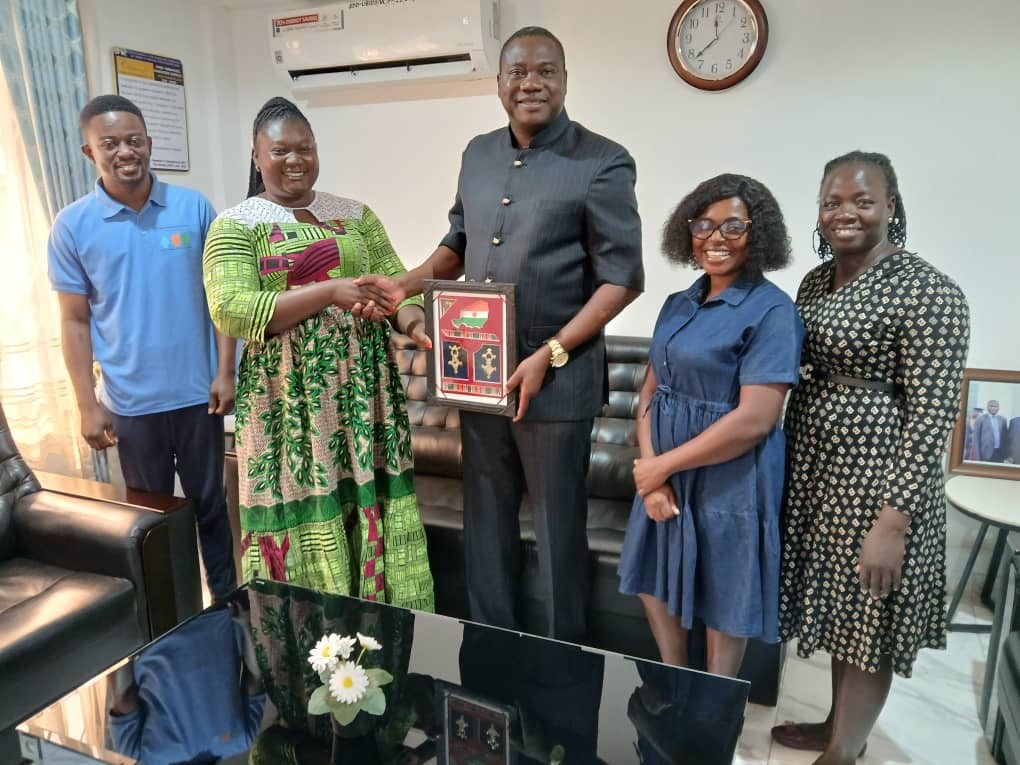
Three DAAD-sponsored postgraduate students from the West African Centre for Sustainable Rural Transformation (WAC-SRT) of the University of Business and Integrated Development Studies UBIDS), Wa, Upper West Region of Ghana, have successfully completed a three-week academic exchange programme at the Abdou Moumouni University in Niamey, Niger.
In recognition of this achievement, the students, on December 18, 2025, presented a plaque to the Vice-Chancellor of UBIDS who is also the Director of the WAC-SRT Centre, Professor Emmanuel Kanchebe Derbile. The students expressed their profound gratitude to the University and the German Academic Exchange Service (DAAD) for the sponsorship and the opportunity to represent the University at this international programme in Niamey.
The exchange programme brought together postgraduate students from fourteen (14) West African countries to deepen their academic and practical understanding of sustainable development, with a strong focus on green hydrogen generation using solar energy. Through a blend of lectures, group work, laboratory sessions and intensive field-based learning, participants explored innovative ways of applying renewable energy technologies to address real-life development challenges in rural communities.
As part of the programme, students undertook community visit to Dar-es-Salam, a rural settlement where a proposal developed by students four years ago has since evolved into a fully operational, solar-powered energy and water system. This initiative now provides the community with reliable electricity and access to potable water, demonstrating how well-designed student projects can translate into lasting development outcomes. Building on this success, plans were underway to introduce a solar-powered horticultural system to support vegetable cultivation for household consumption and income generation.
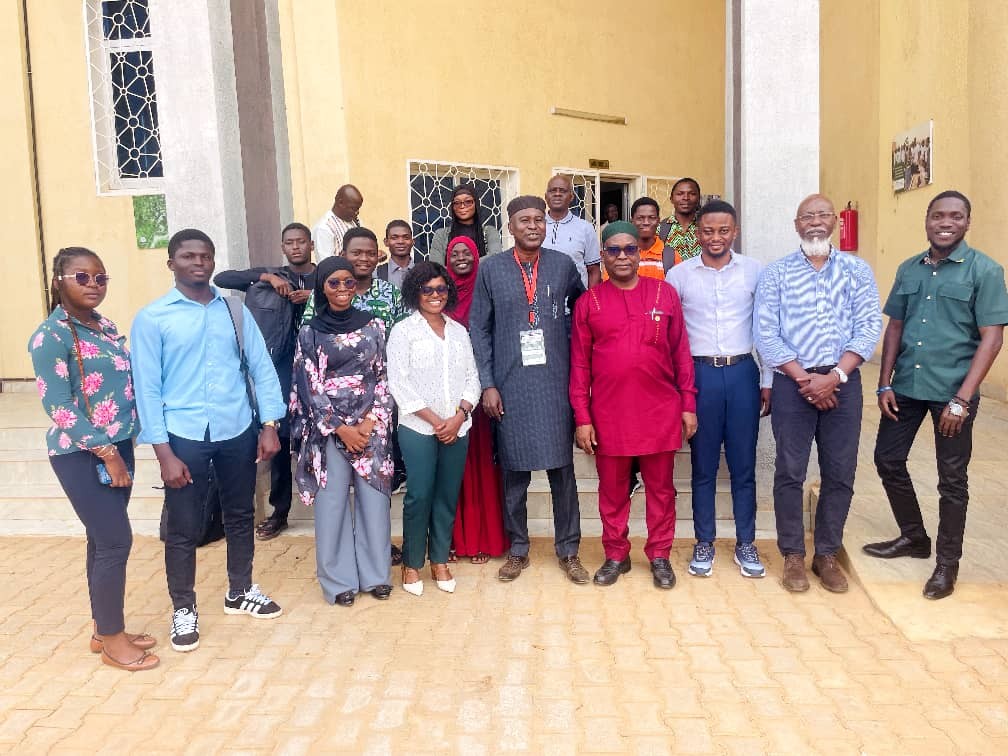
Following the field visit, the student teams were tasked with identifying critical development needs within selected West African communities. Through collaborative engagement, they designed context-specific interventions and developed practical project proposals, which were later presented in a competitive pitch among three groups. Beyond the technical and analytical components, the programme provided rich opportunities for leadership development and teamwork.
A notable highlight of the programme was the appointment of a UBIDS student, Ms. Mildred Mwintribu Kanando Pagra, to lead and supervise a group for the first time. This responsibility provided her with valuable hands-on experience in facilitation, team coordination, and academic leadership. Reflecting on the experience, Mrs. Pagra stated: “I learned how to facilitate and build team spirit, and above all, the proposal developed by the team I supervised emerged as the top proposal and will be implemented for the benefit of communities, among other valuable lessons.”
The Group’s strong collaboration and innovation distinguished it as the best-performing team, achieving a score of 79%. The Group’s outstanding performance resulted in their project proposal being selected for further development and possible implementation by the WAC-SRT team in Niamey. The achievement underscores UBIDS’ strong commitment to experiential learning, regional academic collaboration, and the practical application of knowledge to drive sustainable community development across West Africa.